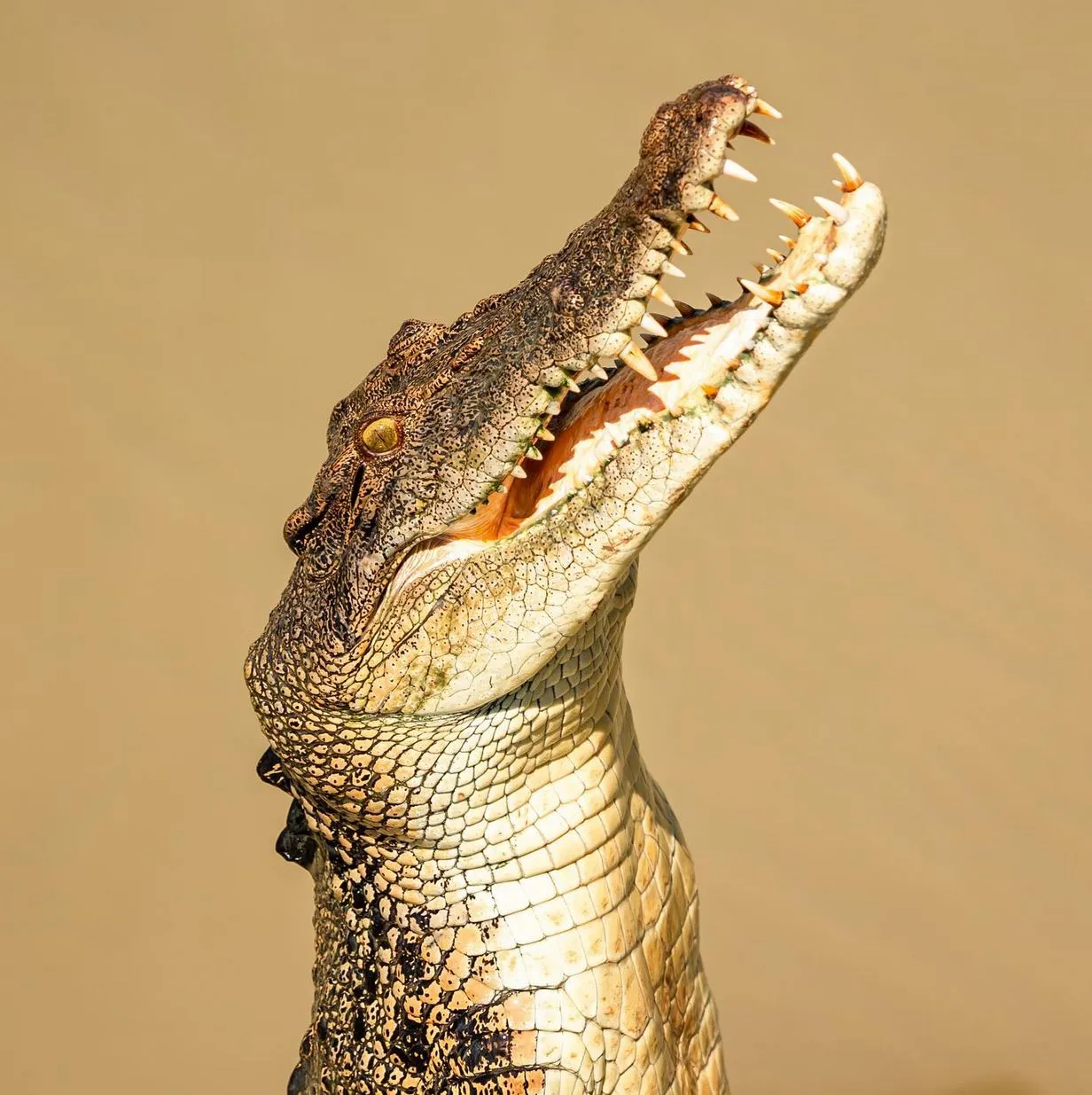
Do Jumping Crocodile Cruises Affect How Crocodiles Behave? It’s a question that crops up on nearly every Jumping Crocodile Cruise from Darwin I’ve been part of – and I’ve lost count of how many times I’ve been asked. As the boat chugs along the Adelaide River, some guy leans over the rail, eyes bugging out as a saltwater crocodile glides calmly alongside, and mutters under his breath, “Paul, do you think we’re teaching these guys something they shouldn’t pick up on?”
I get where they’re coming from. When you’re face-to-face with an animal that can launch itself half its body length out of the water without warning – all that raw power and potential violence on display – your mind starts racing. I’m Paul Beames, for what it’s worth – 20 plus years in the Top End, dusty old boots, sunburnt nose, and a whole lot of river crossing under my belt – and I’ve witnessed my fair share of crocs behaving erratically over the years, reacting to everything from the presence of boats to a storm brewing on the horizon. But one thing I’ve yet to see is the tourism industry turning these animals into something they’re not.
Now, I want to bring you up to speed. Let me walk you through what’s really going on on these cruises, how crocs tick, and why the Northern Territory has its approach to balancing safety for both humans and crocs.
What’s to Expect on a Wild River Wildlife Cruise
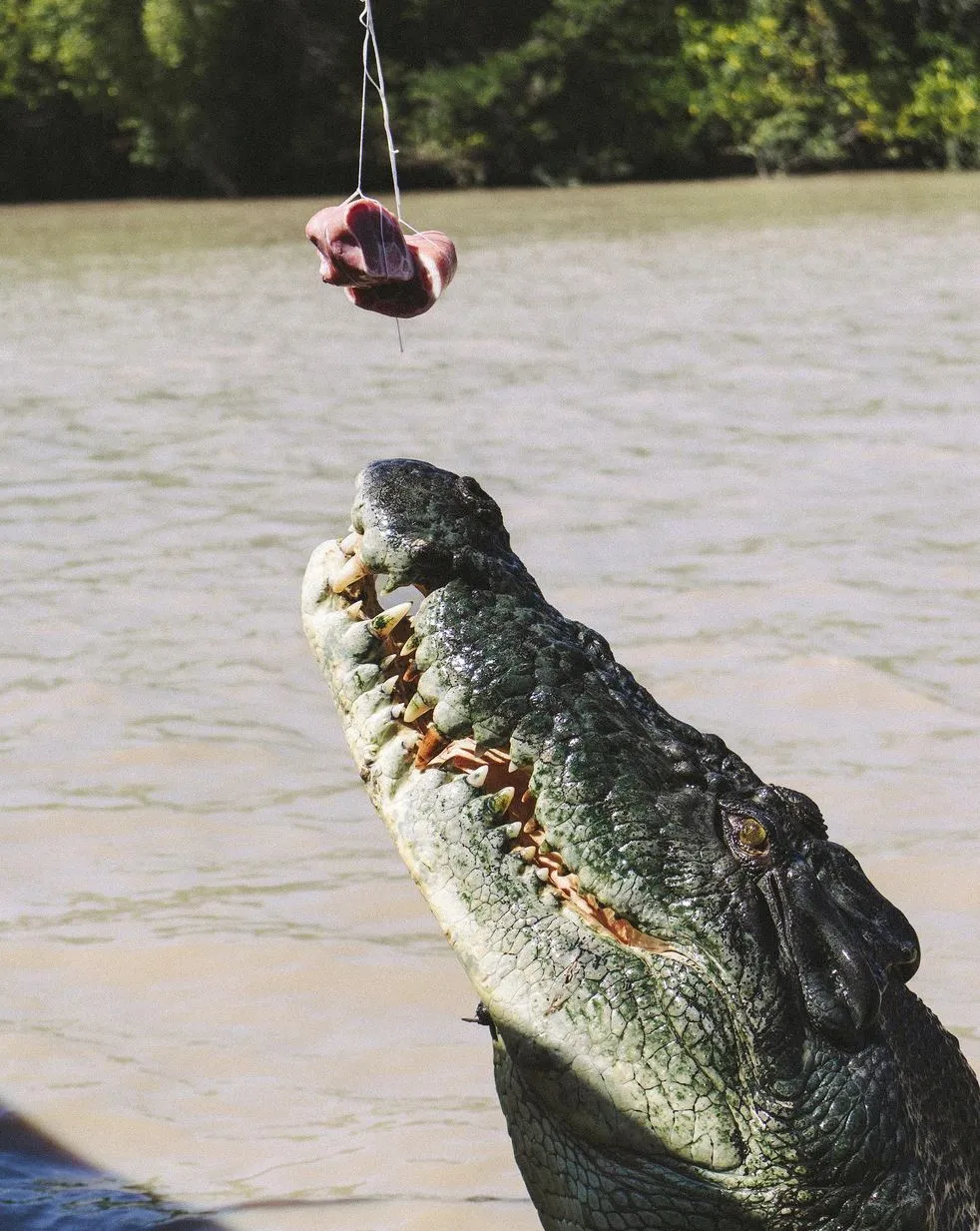
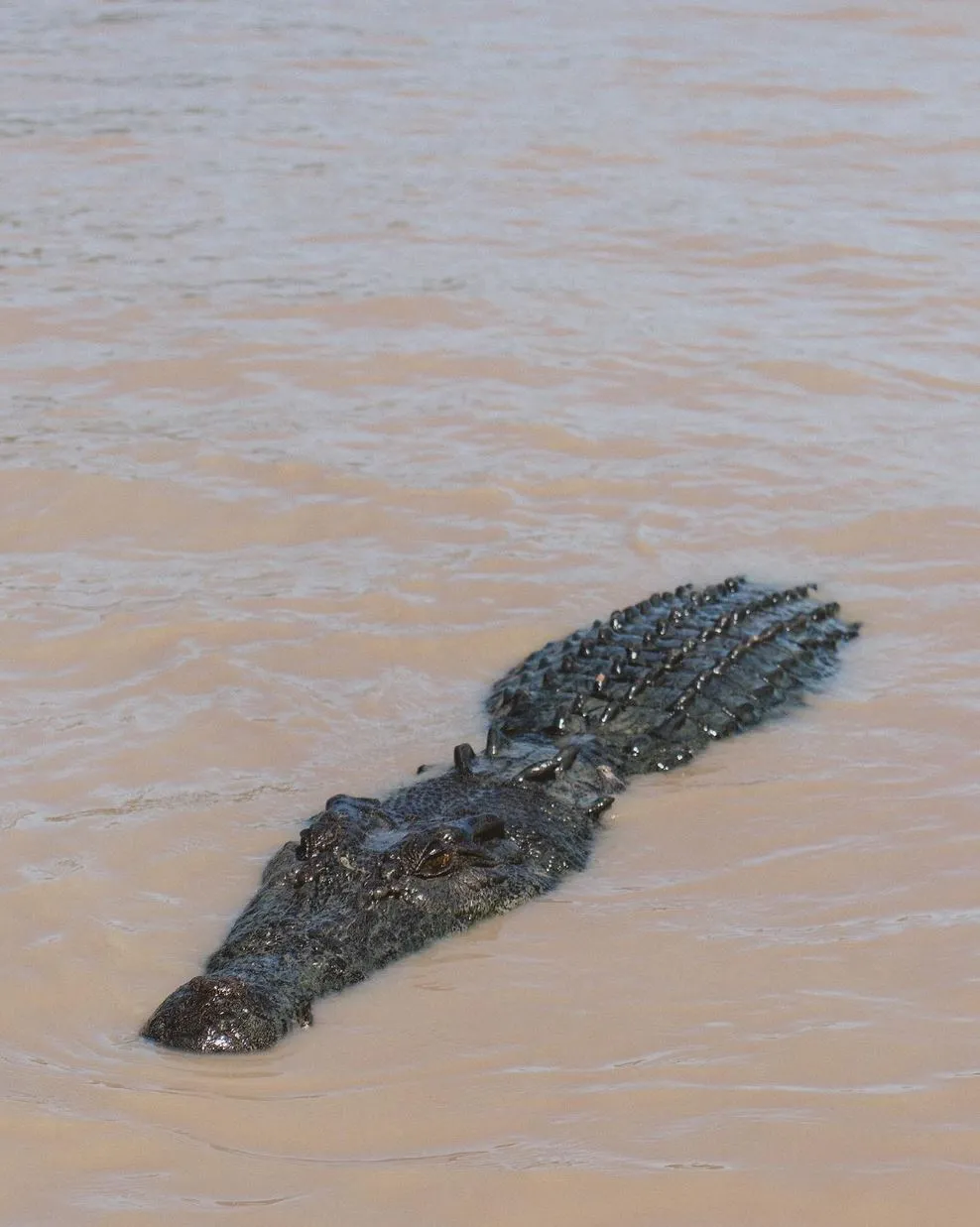
A Jumping Crocodile Cruise is an old favourite – the kind of Top End experience that gets your heart racing even before you push off the bank. The river’s a bit of a mystery – brown, tidal, and slow-moving, with plenty of secrets hidden beneath the surface. And of course, the crocs aren’t hard to find. They just kind of… appear. One minute they’re just a shadow under the water, and the next they’re rising with a sense of slow, confident purpose – just their eyes peeking out above the surface.
As you cruise along, the guide will usually point out some of the other wildlife up in the trees – sea eagles putting their wings to the test, whistling kites soaring the thermals, and kingfishers flashing by in their brilliant blue plumage along the mangroves. The river’s not just about crocs – it’s a living, breathing corridor of Australian wildlife – and the action up above is usually a pretty good indicator of what’s happening down below.
Book with a reputable operator like Jumping Crocodile Cruise, and you’ll be on a steady Pathfinder vessel that’s built for this sort of wildlife experience. This way, you can lean in close – safe and sound – and watch a croc launch itself straight up out of the water in a real display of power or just sit back and take in the air and commentary from a wildlife expert who knows the water like the back of his hand.
Loads of travellers come up to Darwin expecting a quick adrenaline rush from a Jumping Crocodile Cruise – but what they end up getting is a real education on the way crocs behave, their territory, and just how they manage to survive and thrive in the wild.
How NT Operators Protect Wildlife
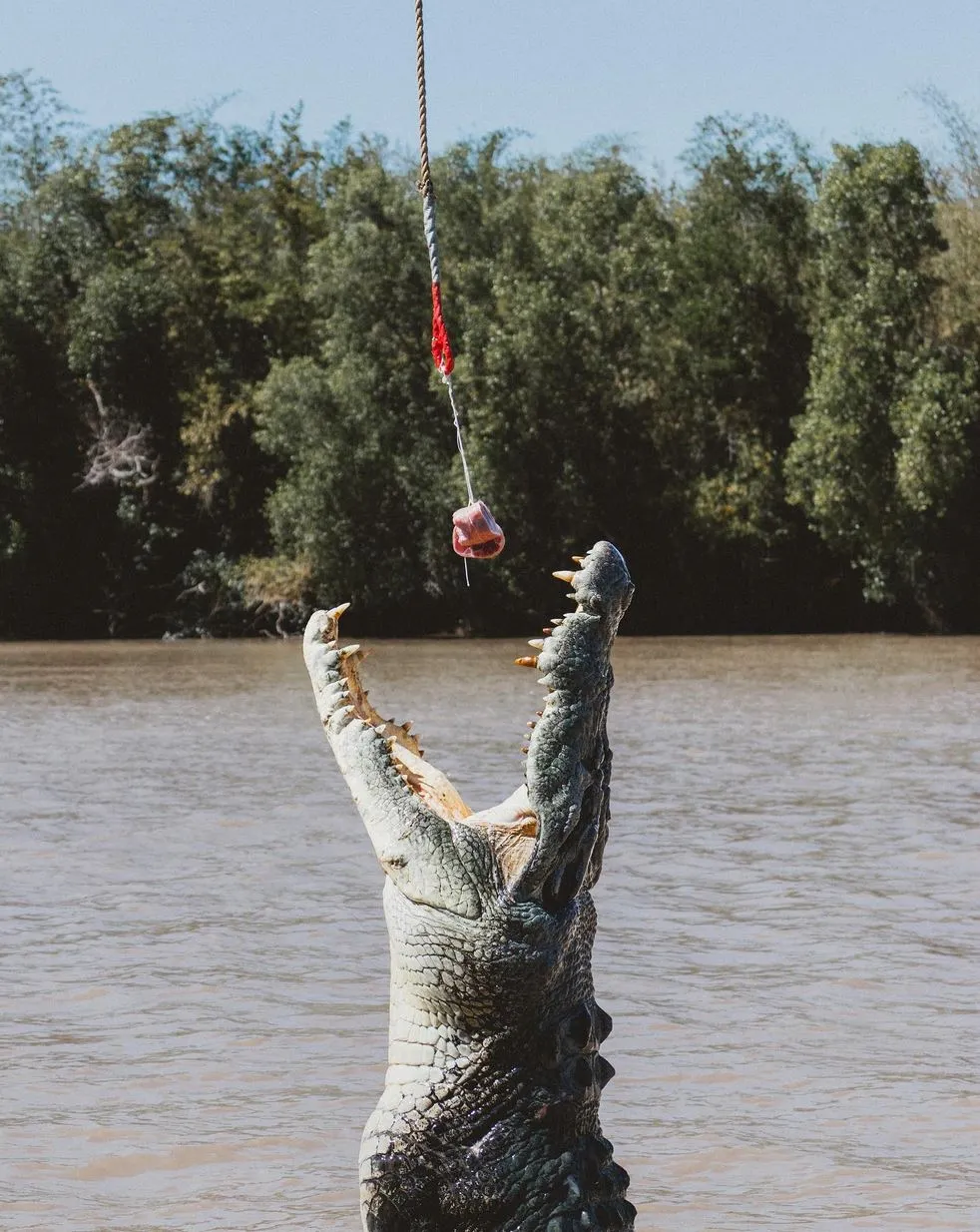
The Northern Territory has stringent rules when it comes to managing wildlife – and for good reason – we’ve got to show some respect for wild crocs, and for the people who’re visiting their home. Every Jumping Crocodile Cruise runs with Wildlife Permits that spell out exactly where they can go, and how they can interact with the animals – how long they can stay, and all that sort of thing. These permits make sure there’s a strict plan in place.
Having these rules creates a bit of a comfort zone – an essential predictability. Crocs learn to identify the boats, not the people in general. They pick up on the engine noise, the path the ship takes along the river, and the rhythm of the cruise season. It all helps keep things under control and safe for everyone involved.
A good guide will reinforce this sense of respect by providing solid information about the wildlife they’re seeing. They make sure no one gets too close to the rails, warn people about the dangers of riverbanks, and remind them that the boat is the safest place to be – that it’s not all about getting up close and personal, it’s about learning.
Why Salties React to Boats In The Way They Do
Crocodiles don’t operate on emotions, not really. They operate on cues – vibration in the water, sound, tidal conditions, and movement patterns. When a tour boat approaches, they pick up on all the familiar signals that tell them it’s just a routine situation. It’s not some random human approaching them; it’s just another boat that’s been coming by for a while now.
Outside of the normal cruising areas, you’d never know there were even tour boats around. I’ve spent countless hours crossing this river early in the morning in a tiny aluminium boat, and the crocs just ignore me totally. They don’t lift their heads, they don’t come towards me, they don’t even jump – they just go about their usual routine of hunting for food, defending their territory, or finding a nice warm spot to bask in.
Their behaviour is all about survival. If a croc isn’t putting in effort for a good reason, it just doesn’t bother.
Crocodile Behaviour Through Biology
To figure out whether the Jumping Crocodile Cruises are actually affecting crocodile behaviour, you really need to get a handle on how crocs process information.
For crocs, it’s all about precision. They map out their territory mentally, remember where other crocs hang out, and determine which parts of the river are best for catching prey at the right tides. But their learning is totally context-specific. They don’t see a tour boat and suddenly think every ship is a potential meal or a source of fun. It’s just not how their brains work.
Some people compare saltwater crocodiles to the American alligator or the Nile crocodile. These species share a common ancestor, but their environments have shaped their instincts in very different ways. The Top End saltwater crocodiles, the ones we’re talking about here, have evolved in these massive tidal rivers and wetlands, shaped by these really wild cycles of wet and dry seasons. Their behaviour is all about adapting to that, not about responding to some random human interaction.
A Jumping Crocodile Cruise isn’t going to override millions of years of evolution. It just fits neatly into the way crocs already do things – territory, food, competition, and patience.
Cruises vs Feeding: The Real Difference
There’s one area where people often get things mixed up: the rules of the game when it comes to interacting with crocs. Regulated tours and the dodgy practice of feeding crocs have very different effects.
Legal tours must comply with the rules. Tour operators monitor the amount of bait they use and use it only at permitted locations. And even then, they make sure to keep the crocs at arm’s length. The minute the boat starts moving, that’s it – the encounter is over.
Feeding crocs, on the other hand, just tossing some fish scraps into the water or flicking bait into a shallow spot – it’s like teaching the crocs to think that humans are there for one reason only: food. Which is how you end up with a bunch of situations that could have gone sideways – and none of it has anything to do with a legit Jumping Crocodile Cruise.
If you’re seeing a croc hanging out under a boat ramp or patrolling a campsite, forget about it being some tourism impact – that’s just a sign of people being reckless.
How Birds and River Life Fit In
When people first get here, they often don’t get that there are loads of other species relying on the river as much as the crocs do. You’ll see birds soaring overhead, waiting for the perfect moment to strike on unsuspecting prey. You’ll see egrets just gliding across the mudbanks. And you’ll see kingfishers perched on the water’s edge, just waiting for that perfect moment to strike. It’s often the birds that end up stealing the show – and usually, that’s what people are talking about by the time they get off the boat.
But it’s worth a reminder how all these species are connected – until you’re right there in the midst of it.
Conservation Work That Benefits from Tourism
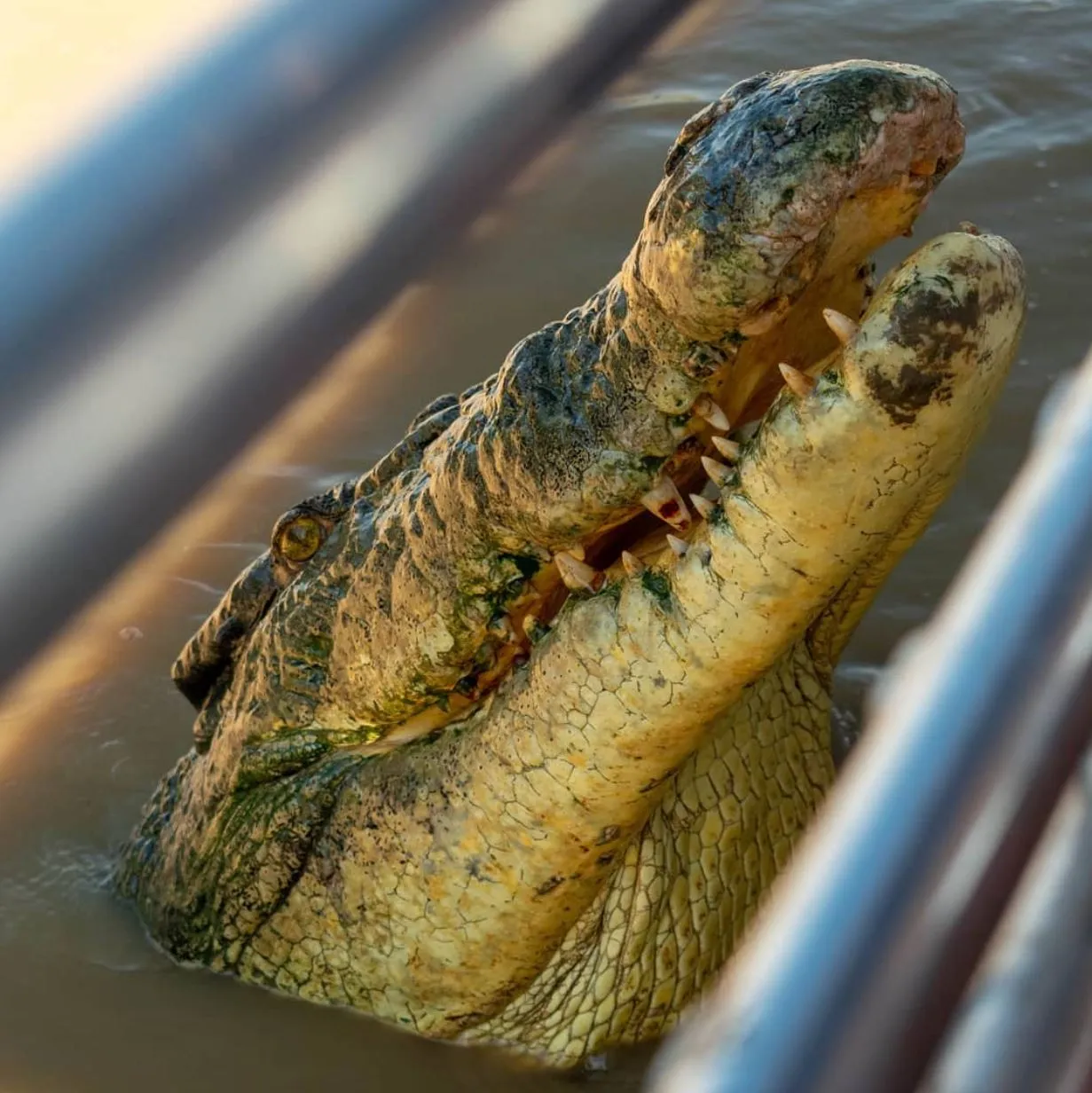
One thing that’ll surprise many people is how much conservation work is actually funded by the Jumping Crocodile Cruise. Tour income goes directly to NT conservation programs, supporting meaningful work such as wildlife research, Aboriginal ranger programs, studies by the Crocodile Specialist Group, and public safety education.
When you think back to how croc populations were on the brink of collapse decades ago, this work is no small thing. Because now, instead of just guessing how to manage crocs, we can get an excellent read on river systems, nesting sites and population densities.
And even throwing a few extra dollars toward Aussie souvenirs or crocodile products at the ticket office helps keep the staff on board who are doing the job correctly.
Smart Safety Near Waterways
Crocodiles don’t make mistakes. They don’t have a memory lapse & they don’t bother giving warnings. That’s the harsh reality of safety around waterways in the Northern Territory – it’s a no-brainer.
When you’re out and about, keep a safe distance from the water’s edge; don’t collect water at low-lying points; keep children out of reach of riverbanks; and never clean a fish near the water. And let’s be real, walking alone in wetlands at night just isn’t a good idea – even the locals who know the area like the back of their hand tend to steer clear of it. Having travel insurance as part of your NT travel plans is a pretty good idea, too.
The guided tours are safe; you need to worry about the riverbanks.
Adelaide River’s Croc Appeal
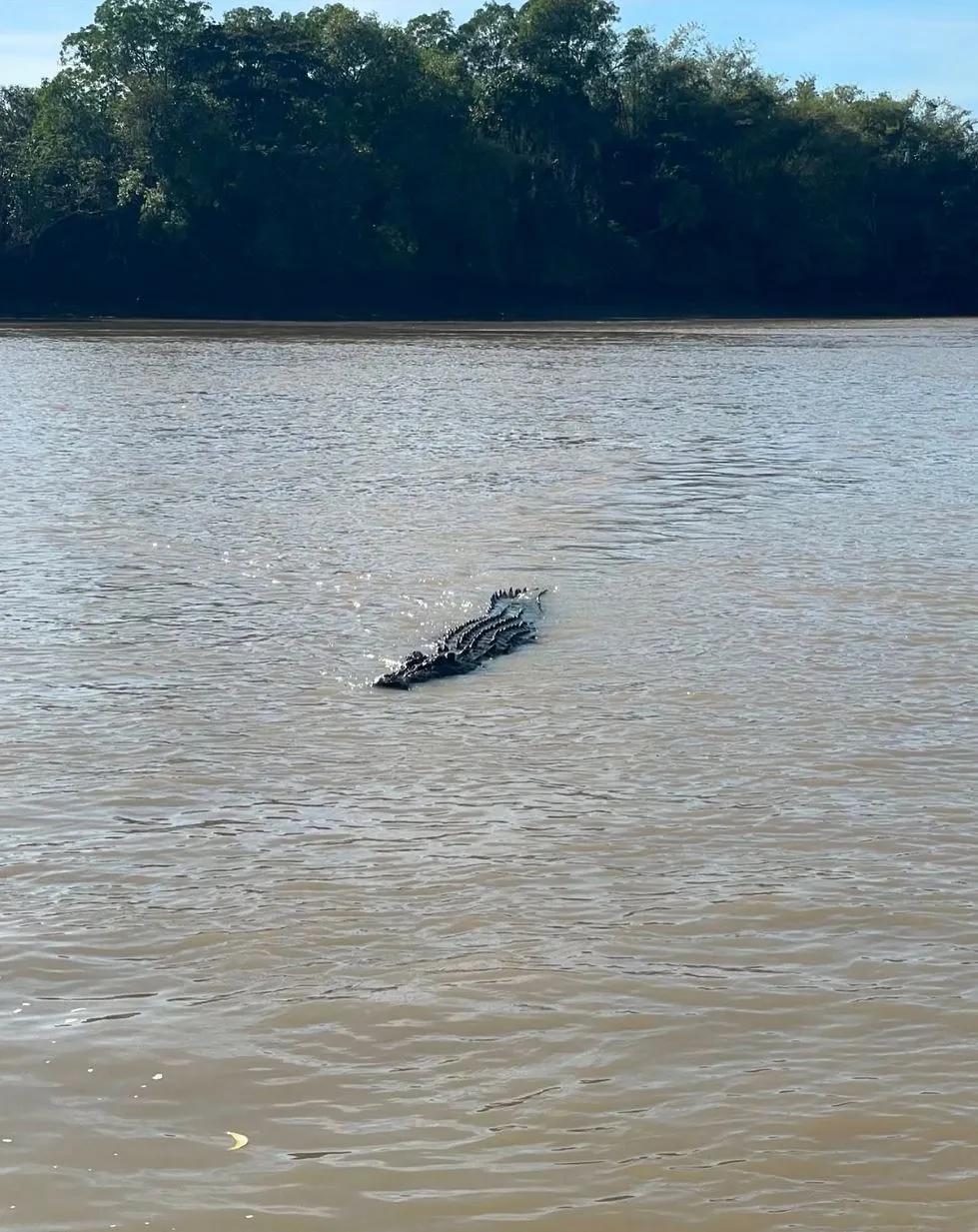
The river is basically a haven for crocs. It has deep holes for them to hide in, mangrove-lined corridors to sneak up on their prey & a steady supply of food on tap year-round. Even the dominant males & breeding females carve out their own territories here because the river provides all the resources they need to survive.
It’s worth remembering that the tours haven’t created this ecosystem – they just operate within it. Whether you take a Jumping Crocodile Cruise out of Darwin or meet a guide somewhere remote, you’re stepping into an environment that’s been working this way long before tourism ever arrived on the scene.
Comparison Table: What Monitoring Really Shows
| Behaviour Question | Findings From NT Wildlife Monitoring |
|---|---|
| Do crocs become aggressive due to tours? | No measurable increase observed |
| Do crocs generalise food association? | Behaviour linked only to specific vessels and routes |
| Does regulated feeding affect wild hunting? | No disruption to natural survival behaviours |
| Do tours increase attack risk? | No documented correlation |
| Do tours support conservation? | Yes — significantly through research and ranger programs |
End of the Line
I’ve spent years watching these crocodiles in every condition the Top End throws at them – the wet downpours, the long dry spells – and I can tell you this: they don’t change just because a tourist boat pokes its nose into their home. No, they remain the same patient, ancient predators they’ve always been. A Jumping Crocodile Cruise isn’t going to change that. What it will do is give you a chance to catch a glimpse of behaviour that’s been going unobserved for years – if you happen to be on a boat when it happens.
If you’re heading up to the Top End and want straight advice on what to expect from operators, when to go, or how to stay safe on the water, come and ask. I’m always taking notes and trying to learn a bit more myself.
FAQ
Do Crocs get All Riled Up When a Tour Boat Comes By?
Only in the odd spot where tours are a regular occurrence – you know, a few places with a clear path for the boats to follow. Otherwise, they continue as usual.
Does Feeding Them from the Boat Interfere with Their Natural Instincts?
Not on your life. They pack up and go back to hunting like usual, the minute that boat is out of sight.
How Safe are These NT River Cruises, Really?
Very safe, provided the operator is properly licensed and the boats are in good condition.
What Else are We Likely to See When We’re Out There?
Well, if you’re lucky, you might catch a glimpse of a raptor or a kingfisher, or maybe even an egret or two. Depends on the tide and the time of year.
Does Tourism Actually Help with Conservation?
It does – but only if it’s done right. If operators adhere to the rules and allocate some of their profits to monitoring wildlife and rivers, then tourism becomes a help rather than a hindrance.