
In this day and age, environmental awareness is everywhere, even in how we clean our homes. When it comes to window cleaning, many of the old ways use harsh chemicals that are bad for us and the planet. These harmful chemical cleaners have toxic ingredients that leave residues, affect indoor air quality, and, when rinsed away, contribute to pollution.
Good news! There’s a better way! Eco friendly cleaning solutions are the way to go for sparkling windows without the nasties. Use natural ingredients like white vinegar and baking soda and sustainable cleaning practices and you’ll have streak free windows and reduce your eco footprint.
In this post we’ll cover the benefits of eco friendly window cleaning, some of the best methods and homemade window cleaner recipes and provide you with window cleaning tips for a crystal clear window.
Why Eco-Friendly Window Cleaning
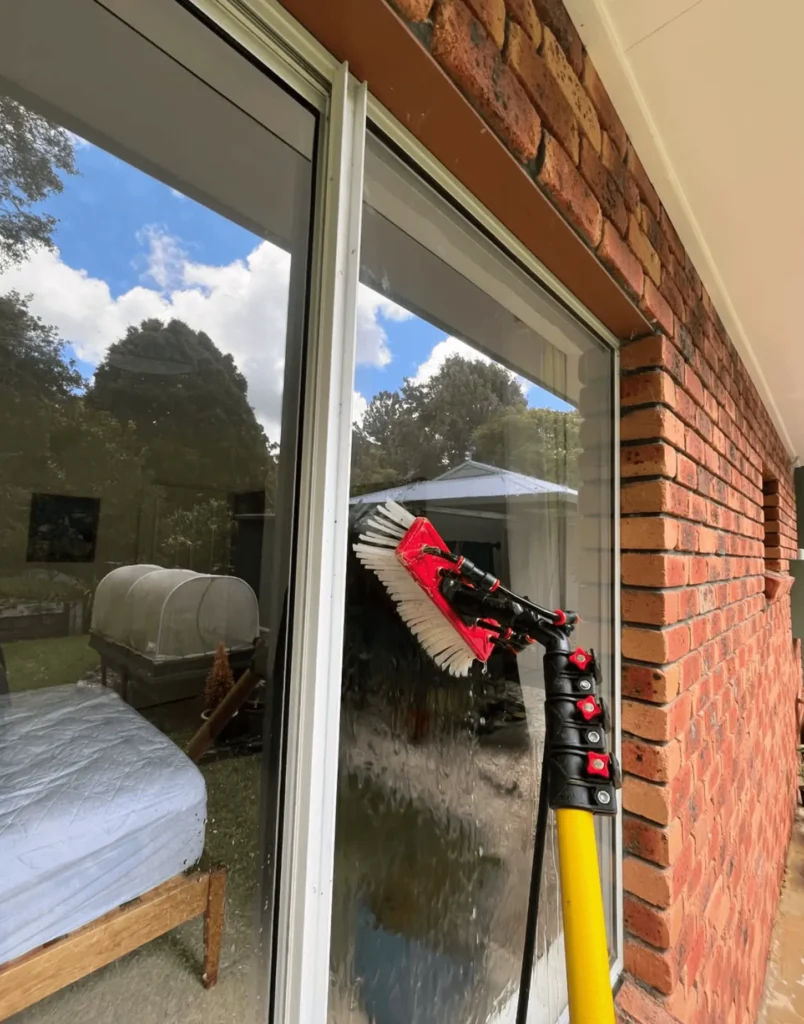
Cleaning windows with harsh chemicals may seem the way to go to get rid of dirt and grime but these chemicals have long term effects. When rinsed off they end up in our water systems harming aquatic life and pollution. And the chemical cleaners we use indoors can affect our indoor air quality and cause allergies and other health issues.
Go green and ditch the toxic chemicals and reduce your eco footprint. Green is good for the planet and your home.
Eco-Friendly Window Cleaning Solutions
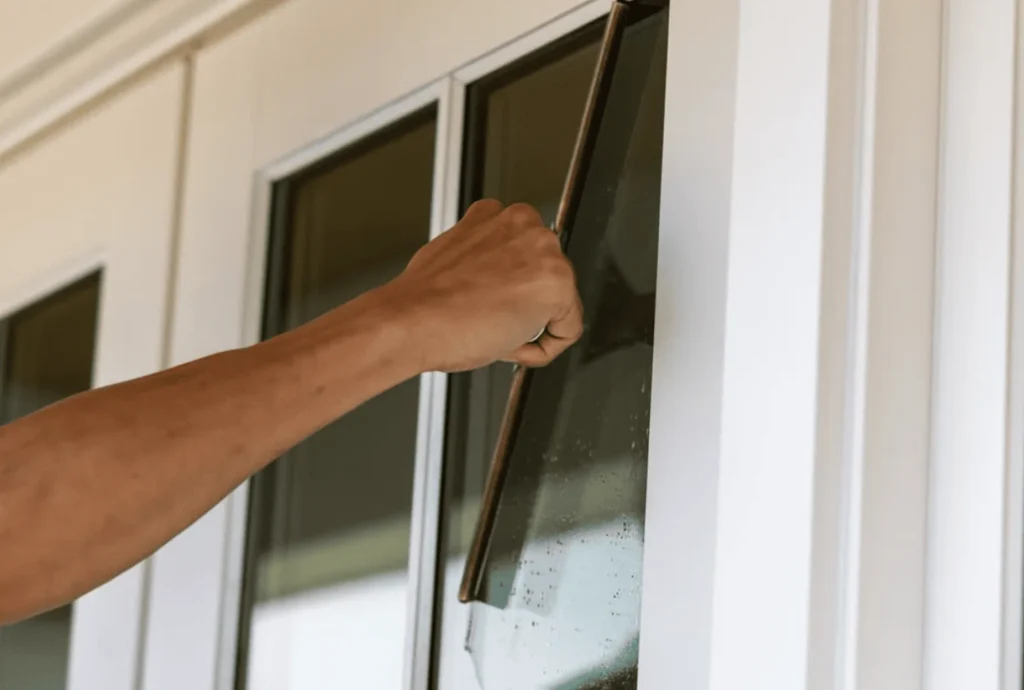
Want to clean your windows in a way that’s safe, effective and kind to the planet? Here are the natural ingredients and tools you need:
1. White Vinegar and Water: Simple Homemade Window Cleaner
A classic in eco-friendly cleaning, white vinegar is a natural cleaning powerhouse. Its acidic properties break down grime, remove water spots and leave a streak-free finish. To make a homemade cleaner, mix one part white vinegar with three parts warm water in a spray bottle. This works on both exterior and interior windows.
For tough stains, add a few drops of liquid dish soap or a splash of apple cider vinegar to the mix.
2. Microfiber Cloths for a Streak-Free Shine
Ditch the paper towels and switch to microfiber cloths. These lint free cloths are perfect for wiping down windows without leaving streaks or lint behind. Not only are they more effective but they are also reusable and reduce waste. After cleaning just throw the cloths in the washing machine and they’re ready for the next use. Use one damp cloth to wipe down the glass surface and follow up with a dry cloth to buff the windows for a streak free finish.
3. Baking Soda for Tough Stains
For tough stains and dirt build-up on windows, baking soda is your best friend. When mixed with a little warm water, it forms a paste that can be used to scrub away dirt and grime without scratching the surface. Use this paste on window sills or window edges to remove stubborn dirt and grime. Baking soda is also good for exterior windows that accumulate more dirt.
4. Hydrogen Peroxide
If you need an all-purpose, non-toxic cleaner, hydrogen peroxide is the way to go. Use on windows, mirrors and other glass surfaces. Spray onto the window surface and wipe clean with a soft cloth. Like white vinegar, it’s good at removing water spots and leaving a streak-free finish.
Eco-Friendly windows

Here’s how to clean your:
- Mix Your Solution
Mix white vinegar and warm water. Add a small amount of liquid dish soap or baking soda for extra dirty windows. - Wipe with a Damp Cloth
Spray the solution onto the glass and wipe with a damp cloth in circular motions to break up dirt and grime. If you have stubborn stains, let the solution sit for a few minutes before wiping. - Buff with a Dry Cloth
After wiping, use a dry or microfiber cloth to buff the glass and remove any streaks. - Use Vertical and Horizontal Strokes
For best results, vertical strokes should be used on the inside of the window and horizontal strokes on the outside. This will help you spot any missed spots or streaks. - Dry Window Frames and Sills
After cleaning the glass, dry the window frame and window sills with a dry cloth to prevent water damage.
Why Eco-Friendly Window Cleaning is Good for You

- Healthier for Your Home: Using natural ingredients like white vinegar means your family isn’t exposed to harsh chemicals and toxic cleaners that can trigger allergies.
- Better for the Environment: Using less chemical cleaners reduces pollution and improves indoor air quality in your home.
- Cheaper: Homemade window cleaner solutions are affordable and often better than store-bought products.
- Pro Results: With the right tools and technique, you can get pro-looking windows without hiring a window cleaning service, including commercial window cleaning.
FAQ
Why is eco-friendly window cleaning better than traditional methods?
Eco-friendly window cleaning uses less harsh chemicals and toxic cleaners that harm the environment and indoor air quality. It uses natural ingredients that are safe for the planet and human health.
Can I use white vinegar on all windows?
Yes, white vinegar is safe on most windows. But not on stone window frames, as it will erode the material over time.
How often should I clean my windows?
Clean regularly especially for exterior windows that get dirty faster. Cleaning windows at least twice a year will keep your windows well maintained and prevent dirt buildup.
Do eco-friendly solutions work on stubborn stains?
Yes, natural ingredients like baking soda and white vinegar can handle stubborn stains. For tough spots, use a razor blade carefully to scrape off debris.
What tools do I need?
Microfiber cloths, squeegees, extension poles, and soft cloths for buffing.